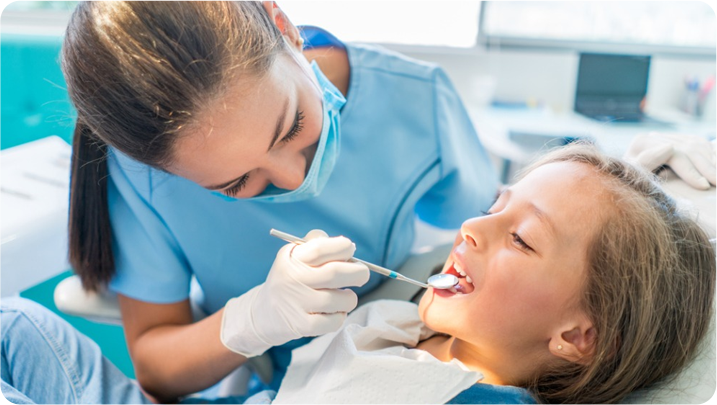
Kids and Oral Health: Building Healthy Habits Early

Good oral health is essential for children, setting the foundation for a lifetime of healthy smiles. Teaching kids the importance of taking care of their teeth can prevent future dental problems and promote overall well-being. Here’s a comprehensive guide to help parents and caregivers foster excellent oral hygiene habits in their children.

  1. Start Early

Oral care should begin even before a child’s first tooth appears. Gently wipe the baby’s gums with a soft, damp cloth after feedings to remove bacteria. Once the first tooth emerges, typically around six months, start using a small, soft-bristled toothbrush and water to clean it.

  1. Use the Right Tools

For toddlers and young children, choose a toothbrush with a small head and soft bristles. Use a smear of fluoride toothpaste for children under three and a pea-sized amount for those aged three to six. Fluoride helps strengthen tooth enamel and prevent cavities.

  1. Establish a Routine

Make brushing and flossing a regular part of your child’s daily routine. Encourage brushing twice a day for at least two minutes each time. For children who are old enough, introduce flossing to remove food particles and plaque between teeth where a toothbrush can’t reach.

  1. Make it Fun

Turn brushing time into a fun activity. Use colorful toothbrushes, flavored toothpaste, and interactive brushing apps or timers to make the experience enjoyable. Sing songs or create a chart with stickers to reward consistent brushing and flossing.

  1. Healthy Eating Habits

A balanced diet plays a crucial role in oral health. Limit sugary snacks and drinks that can lead to cavities. Encourage children to eat fruits, vegetables, whole grains, and dairy products that contribute to strong teeth and gums. Water is the best drink for maintaining oral health, especially if it’s fluoridated.

  1. Regular Dental Visits

Schedule regular dental check-ups starting around a child’s first birthday. Early dental visits help monitor the development of your child’s teeth and catch any issues early. These visits also help children become comfortable with the dentist and reduce anxiety about dental appointments.

  1. Protect Against Injuries

Use mouthguards for children participating in sports to prevent dental injuries. Teach them to avoid chewing on hard objects like ice, pencils, or popcorn kernels, which can damage their teeth.

  1. Lead by Example

Children often mimic their parents’ behavior. Show them your commitment to good oral hygiene by brushing and flossing regularly and visiting the dentist. Explain why taking care of your teeth is essential and involve them in your routine.

Conclusion

Instilling good oral hygiene habits in children from an early age is crucial for their overall health and well-being. By making oral care fun, maintaining a healthy diet, and setting a positive example, parents and caregivers can help children develop lifelong habits that will keep their smiles bright and healthy. Remember, it’s never too early to start caring for your child’s teeth!

If you have any questions or need more tips on children’s oral health, don’t hesitate to reach out to your dental professional @ Frontier Dental Center
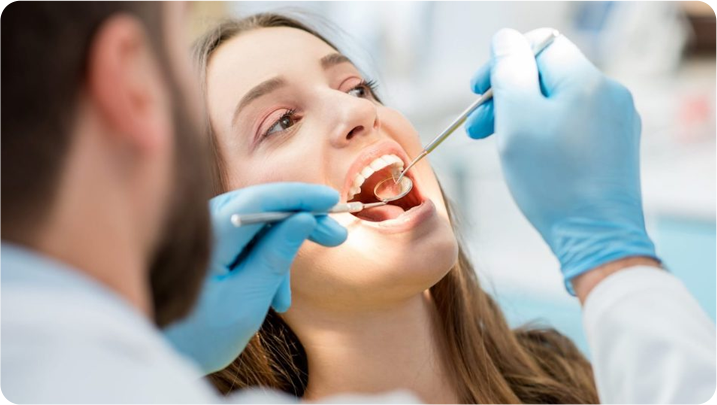
How Professional Cleanings Can Prevent Serious Oral Health Issues

When it comes to maintaining optimal oral health, regular professional cleanings are indispensable. While daily brushing and flossing are crucial, they might not be enough to ward off more serious dental issues. Here’s how professional cleanings can make a significant difference:

  1. Prevention of Gum Disease

Gum disease, or periodontal disease, is a common issue that can lead to severe dental problems if left unchecked. Professional cleanings help remove plaque and tartar buildup that can cause inflammation and infection in the gums. Regular cleanings can prevent gingivitis, the early stage of gum disease, from progressing to periodontitis, which can result in tooth loss.

  1. Early Detection of Oral Health Issues

During a professional cleaning, your dentist or dental hygienist can identify early signs of potential problems such as cavities, broken fillings, or oral cancer. Early detection allows for timely intervention, which can prevent minor issues from becoming major, more costly problems.

  1. Prevention of Bad Breath

Persistent bad breath, or halitosis, can often be traced back to poor oral hygiene. Professional cleanings help remove the food particles and bacteria that cause bad breath. Regular cleanings ensure your mouth stays fresh and healthy, boosting your confidence and social interactions.

  1. Maintenance of Overall Health

Oral health is closely linked to overall health. Poor oral hygiene can contribute to serious health issues such as heart disease, stroke, and diabetes. By keeping your teeth and gums clean through professional cleanings, you can reduce the risk of systemic health problems.

  1. Stain Removal and Aesthetic Improvement

Professional cleanings help remove surface stains caused by coffee, tea, wine, and tobacco use. This not only improves the appearance of your teeth, making your smile brighter, but also boosts your self-esteem.

  1. Educational Benefits

During your cleaning, dental professionals provide valuable education on proper brushing and flossing techniques, diet, and other factors that influence oral health. This personalized advice helps you maintain better oral hygiene practices at home.

Conclusion

Professional cleanings are an essential part of a comprehensive oral health care routine. They help prevent gum disease, detect issues early, maintain fresh breath, improve overall health, enhance the appearance of your teeth, and provide valuable educational benefits. By scheduling regular cleanings, you can ensure a healthy smile that lasts a lifetime.

Taking care of your oral health is an investment in your overall well-being. Make it a priority to visit our office, Frontier Dental Center regularly for professional cleanings, and enjoy the benefits of a healthy, beautiful smile.

Dental Implants vs. Dentures: Which Option is Right for You?

When it comes to replacing missing teeth, you have several options. Dental implants and dentures are two of the most popular solutions, each with its own set of benefits and considerations. Deciding which option is right for you depends on various factors including your oral health, lifestyle, and budget.

What Are Dental Implants?

Dental implants are a permanent solution for missing teeth. They consist of a titanium post surgically implanted into the jawbone, which serves as a sturdy foundation for a custom-made crown that looks and functions like a natural tooth. Implants are known for their durability and ability to mimic the look and feel of real teeth.

What Are Dentures?

Dentures are removable prosthetic devices that replace missing teeth. They come in two main types: complete dentures (for those who are missing all their teeth) and partial dentures (for those who still have some natural teeth remaining). Dentures are typically made from acrylic resin and can be taken out for cleaning and maintenance.

Advantages of Dental Implants

  1. Natural Appearance and Function: Implants closely resemble natural teeth in both appearance and functionality. They provide a stable and secure fit, allowing you to eat, speak, and smile with confidence.
  2. Longevity: With proper care, dental implants can last a lifetime, making them a cost-effective long-term solution.
  3. Bone Health: Implants stimulate the jawbone, preventing bone loss and maintaining facial structure.
  4. No Impact on Adjacent Teeth: Unlike bridges, implants do not require alteration of adjacent healthy teeth.

Advantages of Dentures

  1. Affordability: Dentures are generally more affordable upfront compared to dental implants.
  2. Non-Invasive: Getting dentures is a non-invasive process that doesn’t require surgery, making it a suitable option for those with certain medical conditions or limitations.
  3. Easy Adjustments: Dentures can be easily adjusted or relined to accommodate changes in your mouth over time.
  4. Accessibility: Dentures are a viable option for individuals who have significant bone loss or other conditions that make implants unsuitable.

Considerations for Dental Implants

  1. Cost: Dental implants can be more expensive initially, though they may save money in the long run due to their durability.
  2. Surgical Procedure: The implant process involves surgery and a healing period, which may not be ideal for everyone.
  3. Bone Density: Adequate jawbone density is required for implants, and some patients may need bone grafting before implantation.

Considerations for Dentures

  1. Comfort and Fit: Dentures can sometimes feel bulky or uncomfortable, and may require periodic adjustments.
  2. Maintenance: Dentures need to be removed and cleaned regularly, which can be less convenient compared to the ease of caring for implants.
  3. Stability: Dentures may shift or slip while eating or speaking, which can be inconvenient and affect confidence.

Conclusion

Choosing between dental implants and dentures depends on your individual needs and circumstances. Dental implants offer a permanent and natural-looking solution with long-term benefits for bone health, while dentures provide a more affordable and non-invasive option that is suitable for many patients. Consult with your dentist @FrontierDentalCenter to evaluate your oral health and discuss the best option for your specific situation.

Remember, the right choice is the one that will help you maintain your oral health and quality of life.

If you have any more questions about dental treatments or need further guidance, feel free to reach out to your dental professional at FRONTIER DENTAL CENTER.

The Advantages of Modern Dental Technology in Today’s Treatments

The field of dentistry has seen remarkable advancements in recent years, thanks to modern technology. These innovations have transformed dental treatments, making them more effective, efficient, and comfortable for patients. Here’s a look at some of the key advantages of modern dental technology:

  1. Enhanced Diagnostic Tools

Modern dental technology provides dentists with advanced diagnostic tools such as digital X-rays and 3D imaging. These tools offer detailed views of the teeth, gums, and jaw, allowing for accurate diagnoses and precise treatment planning. This means issues can be detected and addressed earlier, preventing more serious problems down the line.

  1. Minimally Invasive Procedures

Innovations like laser dentistry have revolutionized the way many dental procedures are performed. Lasers can be used for soft tissue surgeries, cavity preparation, and periodontal treatments with minimal discomfort and reduced recovery times. These minimally invasive techniques help preserve more of the natural tooth structure and promote faster healing.

  1. Improved Patient Comfort

Modern dental technology has significantly improved patient comfort. Tools like the Wand® (a computerized anesthesia delivery system) provide painless injections, reducing anxiety and discomfort. Additionally, ergonomic dental chairs and advanced sedation options ensure a more pleasant experience for patients during their visits.

  1. High-Quality Restorations

Advancements in dental materials and CAD/CAM (computer-aided design and computer-aided manufacturing) technology have led to high-quality, natural-looking restorations. Crowns, bridges, and veneers can now be custom-designed and fabricated in a single visit, thanks to same-day dentistry solutions like CEREC.

  1. Effective Orthodontic Treatments

Modern orthodontic treatments, such as clear aligners (e.g., Invisalign), have become popular alternatives to traditional braces. These aligners are virtually invisible, comfortable, and removable, making them a convenient option for straightening teeth. Additionally, advancements in digital scanning and treatment planning ensure precise and efficient results.

  1. Comprehensive Oral Health Care

Technology such as intraoral cameras allows dentists to capture detailed images of the inside of a patient’s mouth. These images can be displayed on a monitor, helping patients better understand their oral health and the need for specific treatments. This enhances patient education and empowers individuals to take an active role in their dental care.

  1. Streamlined Practice Management

Modern dental technology also benefits dental practices by streamlining operations. Practice management software, electronic health records, and digital appointment scheduling improve efficiency and organization, allowing dental teams to focus more on patient care.

Conclusion

The integration of modern dental technology has brought about significant improvements in the way dental treatments are performed. From enhanced diagnostic tools and minimally invasive procedures to improved patient comfort and high-quality restorations, these advancements contribute to better oral health outcomes and a more positive experience for patients.