
Several people think African-American cuisine consists solely of fried chicken, collards, and cornbread. In this regard, Black food in America is indeed a touchstone, but the assumption is limiting in more ways than one, primarily because it too narrowly defines the diversity of what we offer. Food in African-American culture is omnivorous and multicultural. This includes the food of the formerly enslaved and the meals prepared by black, brown, and tan hands for those who enslaved them. Using some of the tastes and techniques from the lost African motherlands, it has adapted and infused European culinary customs with American Indian traditions.
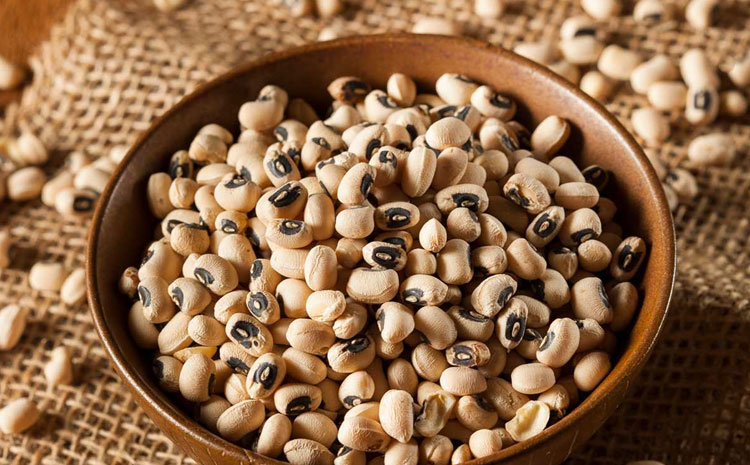
Black-eyed Peas
Beans, which are black-eyed peas, are legendary. Though native to West Africa, black-eyed peas are typically associated with New Year’s Day. An old European superstition has been borrowed and transformed by African Americans: when someone with dark eyes knocks on your door on January 1st, you will be lucky. Although the superstition does not exist in West Africa, black-eyed peas were traditionally eaten on auspicious occasions like twin births or religious holidays honoring certain deities. If one tries some seasoned, smoky black-eyed peas in soup, they will understand why the dish was once called “food for the gods.”
Peach Cobbler
One of the reasons why peach cobbler stands out from other soul-food desserts is technology. Cobblers were formerly a seasonal fruit dessert only eaten during the summer and late spring. It was typically cooked in a large cast-iron pot. It was then topped with a biscuit dough crust made from leftover biscuit dough, along with any available fruit, additional sweetener, and some spices. With improvements in canning technology, fruit cobblers could be enjoyed throughout the year. In addition, cooks of soul food could now add a bottom layer of crust to the dish, thus making the dish fancier.
Greens
The soul-food plate is brimming with vegetables, and greens (the edible leaves of some plants) are a constant favorite. African Americans have roots in West Africa, where greens are a staple of many regional cuisines. Through the Atlantic, slaves from West Africa brought their love of greens with them. African Americans could not get the bitter tropical greens they were used to eating, so they substituted the bitter greens cultivated by Europeans. The most popular are cabbage, collards, kale, mustard, and turnip greens. These greens are eaten all year round, but they represent prosperity on New Year’s Day.
Leaving out any of these meals is like missing out on everything! Explore Soul Foods like these all around America with Soul Food Guide and tantalize your taste buds with these exceptional foods.